
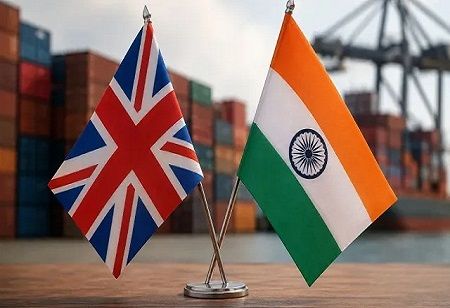
UK Recognises India's Carbon Credit Scheme for CBAM Relief
The UK has recognised India’s Carbon Credit Trading Scheme under its CBAM framework, allowing eligible exporters to receive relief for carbon prices already paid in India and potentially reducing the cost burden on carbon-intensive exports.
The United Kingdom has recognised India’s Carbon Credit Trading Scheme (CCTS) as a qualifying overseas carbon-pricing mechanism under its Carbon Border Adjustment Mechanism (CBAM), potentially reducing the carbon-related cost faced by Indian exporters from January 2027. The move is expected to improve the competitiveness of Indian carbon-intensive products entering the UK market.
The recognition follows technical-level engagement between India and the UK over the design and implementation of India’s carbon-pricing framework. The UK’s HM Treasury has included the Indian CCTS in its published indicative list of overseas carbon-pricing schemes that meet the qualifying criteria under its CBAM regulations.
Also Read: How Energy Ecosystems Are Reshaping India's Manufacturing Edge
Under the arrangement, UK importers may claim carbon-price relief for eligible Indian goods where an effective carbon price has already been incurred under the Indian scheme. This is intended to prevent the same embedded emissions from being effectively charged twice and reduce the overall CBAM liability associated with Indian products.
The development is particularly relevant for sectors such as iron and steel, aluminium, fertilisers, hydrogen, ceramics, glass and cement, which face carbon-related trade measures in the UK. India had previously raised concerns that the UK CBAM could increase compliance costs and weaken the competitiveness of its exports in these carbon-intensive sectors.
The UK is scheduled to implement its CBAM from January 1, 2027. The mechanism is designed to place a carbon price on specified imports from sectors exposed to carbon leakage, ensuring that imported goods face a carbon cost comparable to that borne by domestic producers.
India’s CCTS forms part of the country’s emerging domestic carbon market framework. The Bureau of Energy Efficiency is responsible for key elements of the mechanism, including the issuance and trading of Carbon Credit Certificates through the Indian Carbon Market registry and electronic trading platforms.
Also Read: Eco-Friendly Material Engineering to Replace Traditional Plastics
However, the relief available to Indian exporters will depend on the effective carbon price already paid on the goods and compliance with the UK’s evidence and verification requirements. UK importers seeking relief will need to demonstrate that the relevant carbon price has been applied to the embedded emissions of the imported products.
The recognition provides greater regulatory alignment between the two markets and could support smoother India-UK trade in carbon-intensive manufactured goods as global carbon-pricing requirements become increasingly integrated with international commerce.