Volkswagen-JSW Rejoin Forces for India Auto Growth
- VW revives JV talks with JSW after Mahindra deal stalls.
- JSW to handle local ops, using VW-SAIC tech platforms.
- Aims to boost VW's India presence amid fierce competition.
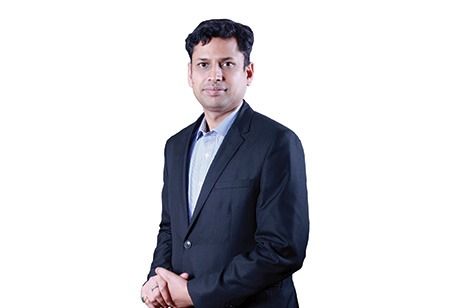
Volkswagen Group has once again approached the JSW Group, led by Sajjan Jindal, to discuss the possibility of a joint venture in India. The talks that were initiated after the deal with Mahindra & Mahindra fell through, have been going on for about three to four weeks. VW which includes brands like Skoda, Audi, Porsche, and Audi is focusing on Skoda that is the lead brand in India to find a local partner.
The aim is to get more support to step up the presence in the third-largest automobile market in the world, where despite the operations of the last two decades, it has not been able to make profits because of the high costs and strong competition mainly coming from Japanese, Korean, and Indian players.
According to the earliest version of the plan, JSW's mobility arm, JSW Auto will be in charge of the domestic market operations, while technology and product platforms will be accessed from both VW and SAIC Motor - the Chinese parent of MG Motor India, with which the Jindals are already collaborating.
Also Read: Haryana Seeks Japan Tie-Up to Boost Auto Tech Sector
The existing 50:50 JV between VW and SAIC in China, which has been a successful model for over twenty years, is the reference for this new partnership. Although at the initial stage, the main objective of the negotiations is to utilize the manufacturing strength of JSW and the engineering excellence of VW to achieve the growth in electric vehicles, hybrids, and the premium segments. The JSW Group refused to comment, and Skoda Auto VW India said, "We are always open to new business opportunities.
To fully unlock India’s growth potential, we are looking at various options for our dynamic market." The JV could be a turning point for VW as it aims to increase localization, lower costs, and raise its share of the market amid the booming Indian automotive industry that is expected to reach $100 billion by 2030. Analysts argue that such alliances are necessary for foreign OEMs to be able to tackle regulatory challenges and changes in the supply chain. While the commercial terms are still to be decided, the comeback is a signal of VW's renewed commitment to India as a major growth hub.